Unlocking Human Potential: Understanding the Core of Artificial Intelligence
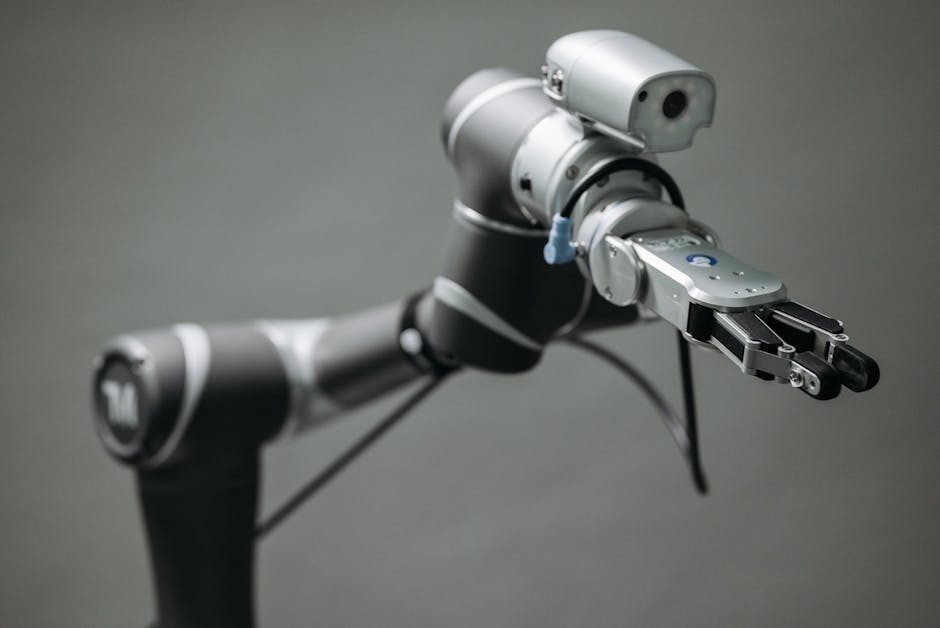
Contrary to popular belief, Artificial Intelligence (AI) is not just a tool for automating repetitive tasks, but a powerful force that can unlock human potential. Many people get this wrong, thinking that AI is only about replacing human workers, but the truth is that AI can augment human capabilities, freeing us to focus on more creative and strategic work.
According to a report by Neoris, AI has become a central force for many companies and organizations, driving digital transformation and enabling them to harness new technological trends. The report highlights that top-tier technology firms are allocating a significant portion of their resources to AI development, but there are no major companies exclusively dedicated to AI. Instead, AI is being integrated into various industries, such as healthcare, finance, and education, to improve efficiency and decision-making.
A key aspect of AI is its ability to analyze vast amounts of data, providing insights that can inform business decisions and drive innovation. For instance, machine learning algorithms can be used to predict customer behavior, identify new market opportunities, and optimize business processes. Additionally, AI-powered chatbots can enhance customer service, while natural language processing can help organizations to better understand their customers' needs and preferences.
Some of the key benefits of AI include:
- Improved efficiency: AI can automate routine tasks, freeing up human workers to focus on more strategic and creative work.
- Enhanced decision-making: AI can provide insights and predictions that can inform business decisions and drive innovation.
- Increased customer satisfaction: AI-powered chatbots and virtual assistants can provide 24/7 customer support and help to resolve issues quickly.
| AI Technology | Description | Benefits |
|---|---|---|
| Machine Learning | Predictive analytics and automation | Improved decision-making, increased efficiency |
| Natural Language Processing | Text and speech analysis | Enhanced customer service, improved communication |
| Chatbots | Virtual customer support | 24/7 customer support, increased customer satisfaction |
- AI is a powerful tool that can unlock human potential and drive business innovation.
- Organizations should develop a clear AI strategy that aligns with their business goals and objectives.
- AI can provide numerous benefits, including improved efficiency, enhanced decision-making, and increased customer satisfaction.
Transforming Business Landscapes: The Impact of AI on Commercial Operations

Contrary to popular belief, the integration of Artificial Intelligence (AI) in commercial operations is not merely about automating tasks, but about revolutionizing the way businesses function. Many people get this wrong, thinking that AI is only useful for repetitive tasks, when in fact, it can significantly enhance decision-making processes, improve customer experiences, and drive innovation. According to businessnewsdaily.com, AI is transforming businesses by providing them with valuable insights and predictive analytics that can inform strategic decisions.
A key area where AI is making a significant impact is in customer service. By leveraging chatbots and virtual assistants, businesses can provide 24/7 support to their customers, improving response times and overall customer satisfaction. Moreover, AI-powered marketing tools can help businesses personalize their marketing efforts, targeting specific demographics and preferences to maximize their reach and impact. Some of the best credit card processors of 2025, such as Clover and Merchant One, are already incorporating AI into their systems to enhance transaction processing and security.
When considering the implementation of AI in commercial operations, businesses should focus on the following steps:
- Assess current operations: Identify areas where AI can add the most value and improve efficiency.
- Invest in AI technology: Explore different AI solutions and tools that can be integrated into existing systems.
- Develop a strategic plan: Outline how AI will be used to achieve business goals and objectives.
- Monitor and evaluate progress: Continuously assess the impact of AI on business operations and make adjustments as needed.
- AI is transforming commercial operations by enhancing decision-making, improving customer experiences, and driving innovation.
- Businesses should focus on assessing current operations, investing in AI technology, developing a strategic plan, and monitoring progress when implementing AI solutions.
- Prioritizing data quality and security is crucial for the successful integration of AI in commercial operations.
Navigating Challenges and Limitations: Overcoming Obstacles in AI Implementation
As we delve into the realm of Commercial Artificial Intelligence, it becomes apparent that the journey to successful implementation is fraught with challenges. A real-world scenario that highlights these obstacles is the integration of AI in manufacturing processes. For instance, a company looking to automate its production line using robotic arms may face difficulties in ensuring the AI system can adapt to changing product designs or production schedules. According to Datahub Analytics, effective leadership strategies are crucial in overcoming such obstacles.
One of the primary challenges in AI implementation is the lack of standardized frameworks for integration. This can lead to difficulties in scaling AI solutions across the organization. Moreover, the quality of training data plays a vital role in determining the accuracy of AI models. Poor data quality can result in biased or incorrect predictions, ultimately affecting business decisions. To overcome these challenges, organizations can follow these steps:
- Develop a clear AI strategy that aligns with business objectives
- Invest in high-quality training data and ensure continuous data monitoring
- Establish a cross-functional team to oversee AI implementation and address potential challenges
Another significant barrier to effective AI adoption is the lack of skilled personnel. As noted by Forbes, organizations must invest in employee training and development to ensure they have the necessary skills to work with AI systems. Additionally, change management is essential to mitigate the risk of employee resistance to AI-driven changes. By addressing these challenges and limitations, businesses can unlock the full potential of AI and revolutionize their operations.
- Effective leadership strategies are crucial in overcoming obstacles in AI implementation
- Standardized frameworks, high-quality training data, and skilled personnel are essential for successful AI adoption
- Change management and transparency are vital in mitigating risks and ensuring accountability
Staying Ahead of the Curve: Top Trends in AI for Forward-Thinking Businesses

According to recent data, the AI landscape is expanding at a dizzying pace, bringing new capabilities that will reshape businesses in ways we're only beginning to imagine. Research indicates that leaders who focus solely on current AI applications risk being outmaneuvered by competitors who are already anticipating the next wave. Staying informed about emerging AI technologies, methodologies, and their potential business impact isn't just smart – it's becoming essential for strategic planning.
Studies have shown that predictive analytics and machine learning are key areas of focus for businesses looking to stay ahead of the curve. By leveraging these technologies, companies can automate tasks, improve forecasting, and unlock human potential. For instance, AnoCloud highlights the importance of exploring generative AI for content creation and implementing predictive analytics for forecasting.
Some of the top trends in AI for forward-thinking businesses include:
- Increased adoption of cloud-based AI solutions, enabling greater scalability and flexibility
- Growing use of natural language processing (NLP) for improved customer service and communication
- Expansion of AI in industries such as healthcare and finance, leading to more efficient and effective operations
In conclusion, staying ahead of the curve in AI requires a deep understanding of emerging trends and technologies. By leveraging predictive analytics, machine learning, and other AI solutions, businesses can unlock human potential, improve operations, and drive growth.
- Staying informed about emerging AI technologies and methodologies is essential for strategic planning
- Predictive analytics and machine learning are key areas of focus for businesses looking to stay ahead of the curve
- Ongoing education and training are crucial for ensuring businesses stay up-to-date with the latest AI trends and technologies
Harnessing the Future: Strategic Deployment of AI in the Enterprise

To effectively harness the future of Commercial Artificial Intelligence, enterprises must adopt a strategic approach to AI deployment. This involves understanding AI as a strategic business enabler, driving tangible outcomes and competitive advantage. As discussed by Todd James, chief data and technology officer at 84.51°, AI is no longer a standalone capability but is becoming central to business strategy.
When deploying AI in the enterprise, it's essential to consider the 5 trends for the future of Enterprise AI, as outlined in the ebook by SS&C Blue Prism. These trends include the use of generative artificial intelligence to create personalized customer experiences and reduce fraud. To unlock the potential of AI, businesses must focus on delivering strategic value and prioritize governance and security to ensure effective AI deployments.
To achieve this, enterprises can follow these steps:
- Define a clear AI strategy that aligns with business objectives
- Develop a governance framework to ensure responsible AI use
- Invest in employee education and training to build AI skills
- Monitor and evaluate AI performance to ensure optimal outcomes
- Stay up-to-date with the latest AI trends and technologies to remain competitive
By adopting a strategic approach to AI deployment, enterprises can overcome the challenges and limitations associated with AI implementation and unlock the full potential of Commercial Artificial Intelligence. As outlined in the previous sections, unlocking human potential, transforming business landscapes, navigating challenges and limitations, and staying ahead of the curve are all crucial aspects of successful AI deployment.
- AI is a strategic business enabler that drives tangible outcomes and competitive advantage
- Enterprises must adopt a strategic approach to AI deployment to unlock its full potential
- Staying up-to-date with the latest AI trends and technologies is crucial for remaining competitive
Frequently Asked Questions (FAQ)
How to start with Commercial Artificial Intelligence ?
To start with Commercial Artificial Intelligence, begin by identifying business problems that can be solved using AI, then assess the available data and infrastructure, and finally, choose an AI solution that aligns with your business goals and integrate it into your existing systems.
Best alternatives to Commercial Artificial Intelligence ?
Some alternatives to Commercial Artificial Intelligence include open-source AI solutions, custom-built AI models, and hybrid approaches that combine human intelligence with machine learning, such as Google's TensorFlow, Microsoft's Azure Machine Learning, and IBM's Watson Studio.
Benefits of Commercial Artificial Intelligence ?
The benefits of Commercial Artificial Intelligence include increased efficiency, improved decision-making, enhanced customer experience, and reduced costs, as well as the ability to automate repetitive tasks, analyze large datasets, and provide personalized recommendations.
Is Commercial Artificial Intelligence safe?
Commercial Artificial Intelligence can be safe if implemented and used responsibly, with proper security measures in place to protect sensitive data and prevent potential biases or errors, such as data encryption, access controls, and regular audits.
What is Commercial Artificial Intelligence ?
Commercial Artificial Intelligence refers to the use of artificial intelligence technologies, such as machine learning, natural language processing, and computer vision, to drive business value and improve operations in various industries, including healthcare, finance, and retail.
How does Commercial Artificial Intelligence work?
Commercial Artificial Intelligence works by using algorithms and machine learning models to analyze data, identify patterns, and make predictions or decisions, often in real-time, and can be integrated with various data sources, such as databases, sensors, and APIs, to provide insights and automate tasks.
Final Thoughts
Exploring Commercial Artificial Intelligence thoroughly ensures you make informed decisions.
Please when you post a comment on our website respect the noble words style