Introduction to Fasting: Understanding the Basics

Fasting has been a part of human history, with various cultures and religions practicing it in different forms. It involves abstaining from food for a specific period, which can range from 12 hours to several days. The benefits of fasting are numerous, including weight loss, improved insulin sensitivity, and enhanced cellular cleaning. With the abundance of food in modern times, fasting has become a deliberate choice for many, allowing them to reap its therapeutic rewards.
- Weight Loss: Fasting can lead to significant weight loss due to the reduction in calorie intake.
- Improved Insulin Sensitivity: Fasting has been shown to improve insulin sensitivity, reducing the risk of developing type 2 diabetes.
- Enhanced Cellular Cleaning: Fasting can stimulate autophagy, a process in which the body breaks down and recycles damaged cells and proteins.
It's essential to understand the basics of fasting before incorporating it into your lifestyle. This includes knowing the different types of fasting, such as intermittent fasting, and how to prepare your body for the fasting period.
Key Takeaway: Fasting can be a powerful tool for improving overall health and well-being, but it's crucial to approach it in a controlled and deliberate manner.Physical Benefits of Fasting: Weight Loss, Improved Metabolism, and Disease Prevention

Fasting has been shown to have numerous physical benefits, including weight loss, improved metabolism, and disease prevention. According to a study published in the Journal of the American Medical Association, intermittent fasting can lead to significant weight loss and improvements in cardiovascular risk factors. Additionally, research has found that fasting can improve insulin sensitivity, reducing the risk of developing type 2 diabetes.
- Weight Loss: Fasting can lead to significant weight loss due to the reduction in calorie intake and increased fat burning.
- Improved Metabolism: Fasting has been shown to improve metabolic function, including increased insulin sensitivity and improved glucose regulation.
- Disease Prevention: Fasting has been found to have potential therapeutic benefits in the prevention and treatment of various diseases, including cancer, cardiovascular disease, and neurodegenerative disorders.
It's essential to consult with a healthcare professional before starting any fasting regimen, especially if you have any underlying health conditions. With proper guidance and precautions, fasting can be a powerful tool for improving overall physical health and well-being.
Key Takeaway: Fasting can have numerous physical benefits, including weight loss, improved metabolism, and disease prevention, but it's crucial to approach it in a controlled and deliberate manner.Mental and Emotional Benefits of Fasting: Enhanced Cognitive Function, Reduced Stress, and Increased Self-Discipline
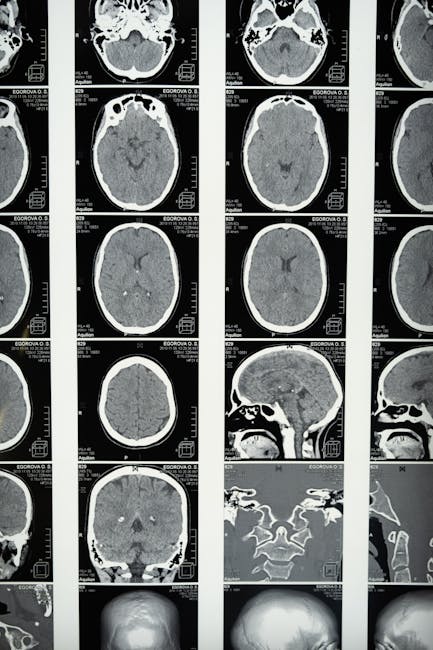
Fasting has been shown to have numerous mental and emotional benefits, including enhanced cognitive function, reduced stress, and increased self-discipline. According to a study published in the journal Nutrients, intermittent fasting can lead to significant improvements in cognitive function, including increased mental clarity and focus. Additionally, research has found that fasting can reduce emotional eating and support emotional balance.
- Enhanced Cognitive Function: Fasting has been shown to improve cognitive function, including increased mental clarity and focus.
- Reduced Stress: Fasting has been found to reduce stress and anxiety by promoting the production of certain neurotransmitters, such as dopamine and serotonin.
- Increased Self-Discipline: Fasting requires discipline and willpower, which can translate to other areas of life, leading to increased self-discipline and self-control.
It's essential to understand the mental and emotional benefits of fasting before incorporating it into your lifestyle. This includes knowing how to prepare your mind and body for the fasting period and how to maintain a healthy and balanced relationship with food.
Key Takeaway: Fasting can have numerous mental and emotional benefits, including enhanced cognitive function, reduced stress, and increased self-discipline, but it's crucial to approach it in a controlled and deliberate manner.Different Types of Fasting: Intermittent Fasting, Alternate-Day Fasting, and Extended Fasting

There are several types of fasting, each with its own unique benefits and challenges. Intermittent fasting, alternate-day fasting, and extended fasting are some of the most popular methods. Intermittent fasting involves alternating between periods of eating and fasting, while alternate-day fasting involves fasting every other day. Extended fasting, on the other hand, involves fasting for longer periods, typically 24-48 hours or more.
- Intermittent Fasting: This type of fasting involves alternating between periods of eating and fasting, with periods of fasting typically lasting 12-24 hours.
- Alternate-Day Fasting: This type of fasting involves fasting every other day, with some versions allowing for a small amount of food on fasting days.
- Extended Fasting: This type of fasting involves fasting for longer periods, typically 24-48 hours or more, and can be done for therapeutic or spiritual purposes.
It's essential to choose a type of fasting that suits your lifestyle and health goals, and to consult with a healthcare professional before starting any fasting regimen.
Key Takeaway: Different types of fasting offer unique benefits and challenges, and it's crucial to choose a method that suits your lifestyle and health goals.Preparing for a Fast: Tips for a Successful and Healthy Fasting Experience

Preparing for a fast is crucial to ensure a successful and healthy fasting experience. This includes planning ahead, hydrating, cutting back on sugar, and managing medications. According to a study published in the journal Nutrients, it's essential to consult with a healthcare professional before starting any fasting regimen, especially if you have any underlying health conditions.
- Hydrate: Drinking plenty of water before and during fasting can help reduce hunger and support overall health.
- Cut Back on Sugar: Reducing sugar intake before fasting can help minimize withdrawal symptoms and make the transition to fasting easier.
- Manage Medications: If you're taking any medications, it's essential to consult with your healthcare provider to determine the best course of action during fasting.
Additionally, it's crucial to understand the different types of fasting and choose a method that suits your lifestyle and health goals. With proper preparation and guidance, fasting can be a powerful tool for improving overall health and well-being.
Key Takeaway: Preparing for a fast is essential to ensure a successful and healthy fasting experience, and it's crucial to approach it in a controlled and deliberate manner.Frequently Asked Questions
What are the benefits of fasting for your body?
The benefits of fasting for your body include improved insulin sensitivity, weight loss, reduced inflammation, increased autophagy, enhanced cellular cleaning, improved mental clarity and focus, and potentially increased longevity.
Please when you post a comment on our website respect the noble words style